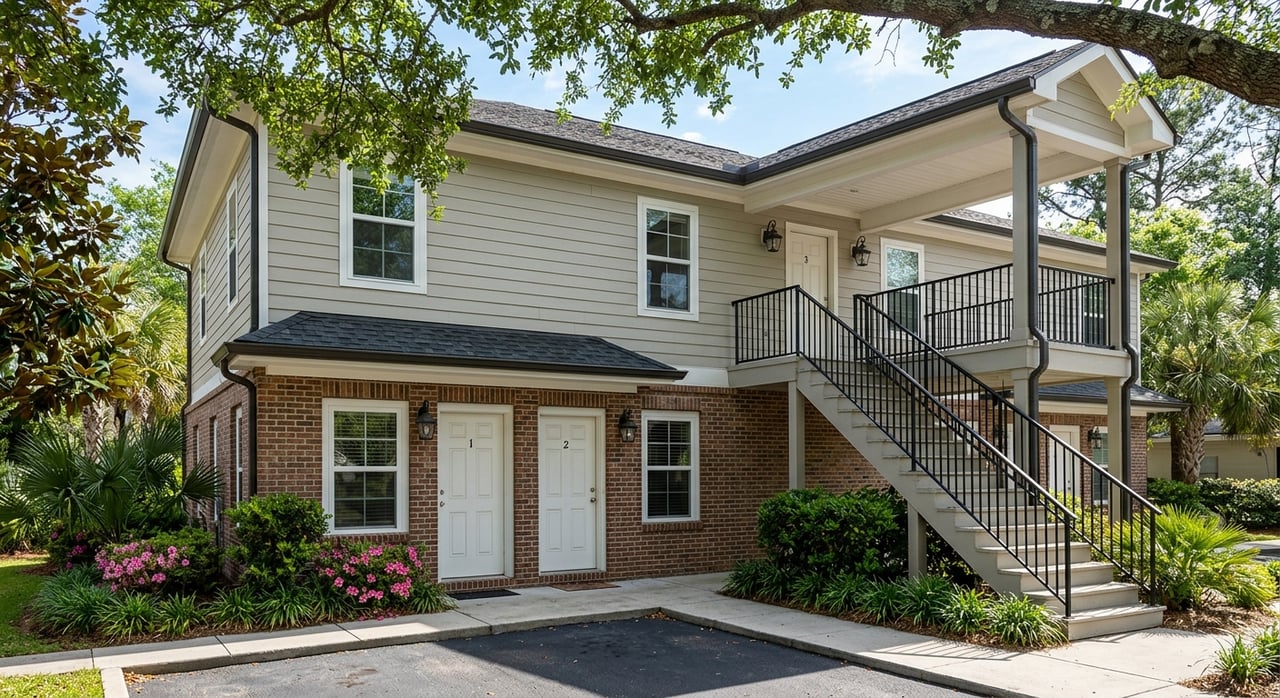
If you are thinking about buying a duplex, triplex, or fourplex in Gulfport, the numbers can look promising at first glance. But small multifamily investing in 39501 is not just about purchase price and rent rolls. You need to understand local rents, tenant turnover, tax treatment, and property condition before you commit. This guide will walk you through the practical factors that matter most so you can evaluate opportunities with more confidence. Let’s dive in.
Why Gulfport Small Multifamily Draws Interest
Gulfport has a 2025 estimated population of 76,506, an owner-occupied housing rate of 55.1%, and a median gross rent of $1,086. Those figures point to an active rental market where smaller multifamily properties can play an important role.
In ZIP code 39501, the local profile looks different from the citywide picture. The area has 22,565 residents and 8,770 households, with a median household income of $34,758, a poverty rate of 32.2%, and 19.6% of residents having moved in the prior year. For you as an investor, that means demand may exist, but careful screening, turnover planning, and reserve budgeting matter even more.
What the 39501 Data Suggests
The 39501 market appears more transitional than Gulfport as a whole. A higher share of recent movers can point to more tenant mobility, which may lead to more frequent vacancy and leasing costs.
That does not mean small multifamily deals should be avoided. It means your strategy should be disciplined. In a price-sensitive rental pool, your rent assumptions, maintenance standards, and tenant selection process can have a major impact on performance.
How to Underwrite a Small Multifamily Deal
A good deal analysis starts with realistic income and expense assumptions. You should compare current rents to local benchmarks, then build in operating costs that reflect how the property will actually run.
IRS Publication 527 outlines common rental expenses such as maintenance, insurance, taxes, and interest. For a small multifamily property, your working budget should also include management, owner-paid utilities if any, vacancy, and turnover costs.
Start With Rent Benchmarks
HUD’s FY2025 Fair Market Rent schedule for the Gulfport-Biloxi metro area lists these monthly figures:
- 1-bedroom: $896
- 2-bedroom: $1,117
- 3-bedroom: $1,446
- 4-bedroom: $1,540
Gulfport’s citywide median gross rent is $1,086. That makes rents in the low-$1,000 range a useful reality check for many standard 1-bedroom and 2-bedroom units, even though each property will differ by condition, location, layout, and included utilities.
If a seller presents rents that seem far above those benchmarks, pause and verify the support behind those numbers. If rents are far below market, there may be upside, but only if the property condition, lease terms, and tenant situation make that increase realistic.
Budget for Real Operating Costs
Small multifamily investors sometimes focus too heavily on gross rent and not enough on what it takes to keep a property stable. In Gulfport, especially with older buildings, your pro forma should include:
- Routine repairs and maintenance
- Insurance
- Property taxes
- Property management
- Owner-paid utilities
- Vacancy allowance
- Turnover and leasing costs
- Reserve funds for unexpected repairs
A duplex or fourplex can look strong on paper and still underperform if you underestimate turnover, deferred maintenance, or make-ready costs.
Mississippi Property Taxes Matter More Than Many Buyers Expect
For a non-owner-occupied investment property in Mississippi, tax treatment is not the same as an owner-occupied home. The Mississippi Department of Revenue says Class II property, which includes real property outside owner-occupied Class I, is assessed at 15% of true value. By contrast, owner-occupied residential property is assessed at 10%.
That difference can materially affect your operating costs. If you are buying a duplex, triplex, or fourplex as a rental, you should treat property taxes as a core underwriting line item from day one.
The state also says real property must be revalued at least once every four years. Property taxes are assessed to the owner of record on January 1 and due by the following February 1. If you are analyzing a deal based on the seller’s current tax bill, make sure you understand whether the ownership change or use of the property could affect future taxes.
Do Not Assume a Homestead Exemption
Mississippi’s homestead exemption applies to a primary residence, not standard rental property. It must be filed with the county tax assessor during the January 1 to April 1 filing window, and it can be disallowed if occupancy or use changes without a new filing.
This is especially important if you are converting a former primary residence into a rental. If your underwriting quietly assumes a homestead benefit will continue, your tax estimate may be too low.
Buying Tenant-Occupied Property in Gulfport
Tenant-occupied small multifamily can offer immediate income, but it can also bring more complexity. Before you close, you need to know what leases are in place, whether notices have been handled correctly, and how tenant condition and payment history affect your near-term plan.
Mississippi’s Residential Landlord and Tenant Act provides the notice framework that matters here. A week-to-week tenancy can be terminated with at least 7 days’ written notice, while a month-to-month tenancy requires at least 30 days’ written notice.
For nonpayment of rent, the landlord may give a 3-day notice to pay or quit. For other breaches, written notice may give the tenant up to 14 days to cure the issue or face termination if the breach is not remedied.
Why These Timelines Affect Your Numbers
If you are planning renovations, unit turns, or occupancy changes after closing, legal timing matters. An occupied property may not be available on your preferred schedule, even if the seller says a unit will be vacant soon.
If an eviction becomes necessary, Mississippi law requires the landlord to file a sworn affidavit or complaint and attach the written notice of breach or termination. If the landlord is granted possession, the tenant generally has at least 7 days from the date of judgment to move out. If law enforcement removes the tenant, the tenant has 72 hours to remove belongings.
For you, that means vacancy loss, legal fees, and project delays should be considered before you buy. A tenant-occupied deal can still work well, but only when the timeline is realistic.
Why Lease Review and Inspection Are Essential
Mississippi law also outlines maintenance duties that matter during due diligence. Landlords must maintain the dwelling unit, including plumbing and heating or cooling systems, in substantially the same condition as at lease inception, aside from reasonable wear and tear.
Tenants must keep the premises clean and safe, dispose of waste properly, avoid damaging the property, notify the landlord of damaging conditions, and comply with building and housing codes that materially affect health and safety. Those rules make document review and pre-closing inspection especially important.
Before closing on a tenant-occupied multifamily property, review:
- Current leases and any renewals
- Security deposit records
- Rent ledger history
- Notices served to tenants
- Repair history
- Utility responsibility by unit
- Occupancy status for each unit
- Visible deferred maintenance
Due Diligence Beyond the Rent Roll
A small multifamily property is more than income and expenses on paper. In Gulfport, local parcel details, flood exposure, and code issues can affect both cost and risk.
The city’s GIS and planning resources include address, street, parcel, and cadastral data. The city’s ArcGIS service folder also includes FEMA flood layers and historic flood layers. In practical terms, you should verify parcel information, review flood zone exposure, and think through how insurance and long-term maintenance may be affected.
The city also lists code enforcement responsibilities that include inspections for building, zoning, and property maintenance issues. For older duplexes and fourplexes, that makes a careful review of physical condition especially important.
Questions to Ask Before You Buy
If you are evaluating a small multifamily property in Gulfport, these are smart questions to ask early:
- Are current rents supported by local benchmarks?
- How much turnover has the property had recently?
- Which utilities does the owner pay?
- Are there any active lease violations or unpaid balances?
- Is the property in or near a flood-prone area?
- Are there visible maintenance or code concerns?
- What reserves will you need for an older building?
- How will the property be managed after closing?
Property Management Can Make or Break the Investment
In a market where tenant mobility may be higher, day-to-day execution matters. Tenant screening, repair handling, notices, deposit records, and turnover coordination all affect your results.
The CFPB notes that tenant screening reports may include credit history, rental history, eviction actions and lawsuits, employment verification, criminal history, sex-offender registry information, watchlist information, and a risk score or recommendation. The CFPB also says landlords must provide adverse-action information if an applicant is denied or charged a higher deposit because of a screening report.
A consistent, compliant screening process can help you reduce avoidable risk. It can also help you make better decisions in a market where cash flow often depends on keeping units occupied with qualified tenants.
Local Execution Matters
For small multifamily investing in Gulfport, some of the most important questions are operational. You should know how quickly units typically lease, how after-hours repairs are handled, what reserve levels make sense for older Gulf Coast buildings, whether voucher tenants are accepted, and how deposits, notices, and turnovers are documented.
These details may not be flashy, but they affect your ownership experience from the first month. Strong local guidance can reduce surprises before and after closing.
A Practical Gulfport Investing Approach
If you want to invest in small multifamily in 39501, a disciplined approach is usually better than an aggressive one. Focus on realistic rent assumptions, full operating expenses, property taxes, tenant review, and physical due diligence.
The opportunity in Gulfport is not just finding a property with enough units. It is finding one where the numbers, condition, and management plan all work together. When you underwrite carefully and plan for turnover, taxes, and maintenance up front, you give yourself a much better chance at steady long-term performance.
If you are weighing a duplex, triplex, fourplex, or tenant-occupied small multifamily deal on the Gulf Coast, AM EQUITY REALTY can help you evaluate the numbers, navigate the transaction, and move forward with practical local insight.
FAQs
What rent benchmarks matter for small multifamily investing in Gulfport?
- HUD’s FY2025 Fair Market Rents for the Gulfport-Biloxi metro area list $896 for a 1-bedroom and $1,117 for a 2-bedroom, while Gulfport’s citywide median gross rent is $1,086, which gives you a useful starting point when checking a seller’s rent roll.
What should you budget for a Gulfport duplex or fourplex?
- You should budget for maintenance, insurance, property taxes, management, owner-paid utilities, vacancy, turnover costs, and reserve funds, not just mortgage payments and advertised rent.
How are investment property taxes different in Mississippi?
- Mississippi says non-owner-occupied real property is generally Class II and assessed at 15% of true value, while owner-occupied residential property is assessed at 10%, so rental property taxes can be higher than some buyers expect.
What notice rules apply when buying tenant-occupied property in Mississippi?
- Mississippi law provides at least 7 days’ written notice for week-to-week tenancy termination, at least 30 days for month-to-month tenancy termination, and a 3-day notice to pay or quit for nonpayment of rent.
Why is flood and parcel research important for Gulfport multifamily deals?
- Gulfport’s city GIS and ArcGIS resources can help you verify parcel details and review flood-related layers, which can affect insurance costs, risk planning, and overall deal viability.
Why does tenant screening matter for small multifamily in 39501?
- In an area where resident mobility may be higher, a consistent screening process can help you manage turnover risk, support better leasing decisions, and protect cash flow over time.