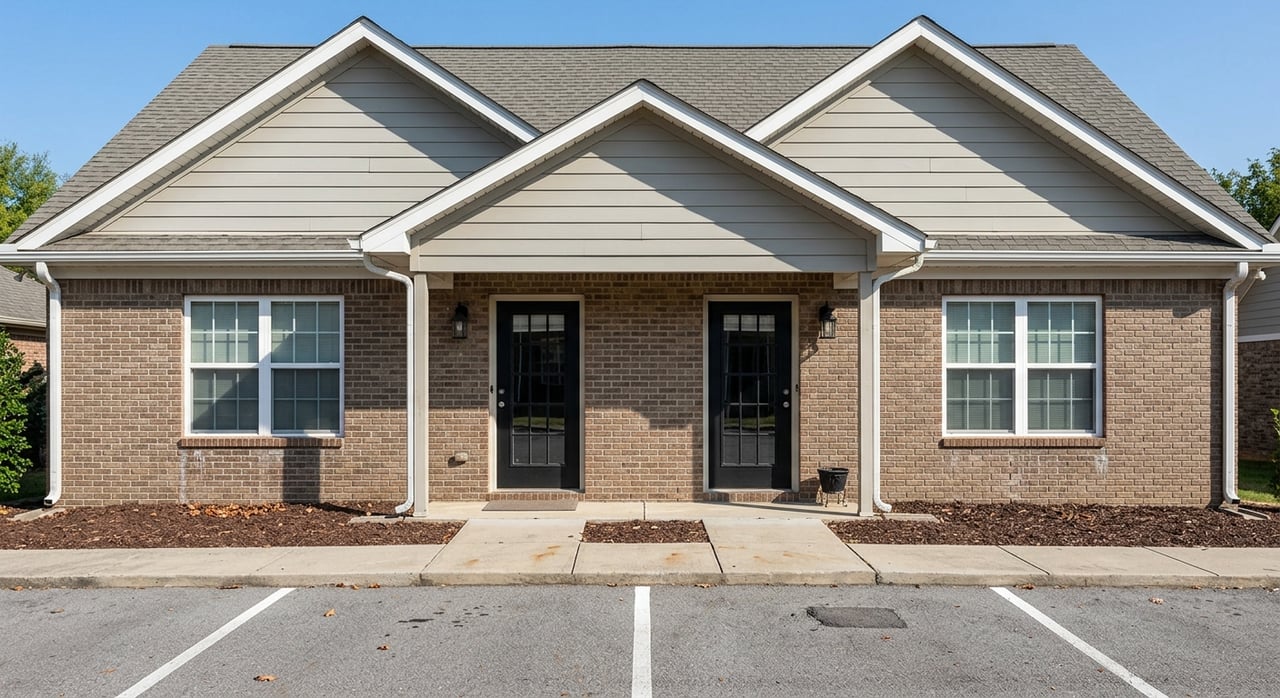
Thinking about buying a duplex, triplex, or small apartment building in Hattiesburg? You are not alone. Small multifamily can be a practical way to build income, but the right deal depends on more than a quick look at asking price and rent. If you want to get started in 39402 and the wider Lamar County area, this guide will help you understand the local market, key numbers, zoning basics, and the due diligence that matters most before you buy. Let’s dive in.
Why Hattiesburg Draws Small Multifamily Buyers
Hattiesburg offers a mix of renter demand, approachable property sizes, and neighborhood variety that often appeals to first-time investors and owner-occupant buyers alike. In 2024, Hattiesburg had an estimated 48,522 residents and 20,659 households, with an owner-occupied rate of 37.2%. That lower owner-occupied share points to a city market where renting plays a major role.
The city’s median gross rent was $1,005, while median household income was $46,342. Based on those figures, rent is about 26% of median household income, which sits below the 30% affordability benchmark used in Mississippi housing guidance. That does not guarantee performance for any one property, but it does help frame the local renter base.
Lamar County looks different from the city as a whole. The county had 66,734 residents, 25,381 households, an owner-occupied rate of 69.5%, median gross rent of $1,126, and median household income of $70,909. For buyers looking in 39402, that matters because county-level and citywide averages can point in different directions.
ZIP code 39402 stands out as a stronger-income submarket. It had 44,620 residents, 17,658 households, a median household income of $75,220, and a median owner-occupied home value of $253,900. That may support stronger rent bands than citywide medians, but you still need local lease-level data before making an offer.
What Counts as Small Multifamily
In practical terms, many buyers use “small multifamily” to mean duplexes, triplexes, fourplexes, and small apartment buildings. These properties can work for different goals. You might want to live in one unit and rent the others, or you may be looking for a pure investment with several income streams.
In Hattiesburg’s land development code, a building with more than two dwelling units is considered an apartment house or multifamily dwelling. The city also has an R-2 Two-Family Residential district for duplexes and an R-3 Multi-Family Residential district that allows medium- and high-density residential uses, including multifamily, two-family, and single-family structures. That means property type and zoning are closely tied together from the start.
Start With the Right Buy Box
Before you tour properties, get clear on what you are actually trying to buy. A duplex in a stable pocket of 39402 may behave very differently from a small apartment building in another part of Hattiesburg. If your goals are not defined upfront, it becomes easy to chase deals that look good on paper but do not fit your risk tolerance.
A helpful buy box should include:
- Property type: duplex, triplex, fourplex, or small apartment
- Location target: 39402 only, broader Hattiesburg, or all of Lamar County
- Budget range
- Minimum unit count
- Desired condition level
- Whether you will owner-occupy
- Target cash flow or NOI goals
- Comfort level with repairs, tenant turnover, and management
When you know your buy box, underwriting gets easier and faster. It also helps your broker narrow the search to properties that truly match your plan.
Underwrite the Income the Right Way
One of the biggest mistakes new buyers make is treating the listing’s advertised rent as the full story. Strong underwriting starts with a simple chain: gross scheduled rent, less vacancy and credit loss, plus other income, less operating expenses, equals net operating income, or NOI.
NOI is important because it shows how the property performs before debt service, capital expenditures, and income taxes. Operating expenses can include property taxes, insurance, utilities, repairs and maintenance, management fees, payroll, and legal or professional fees. If you skip or underestimate these items, the deal can look much better on paper than it does in real life.
Know the Difference Between Gross Rent and Rent Roll
Local market figures are useful, but they need context. Census gross rent includes contract rent plus utilities and fuel. That means the city or county median gross rent is not the same thing as the base rent shown on a rent roll.
This is especially important when comparing properties where utility responsibilities differ. If one seller pays water and another property bills utilities differently, the rents may look similar while actual NOI is not. Always verify who pays what.
Use Comparable Properties Carefully
Cap rate is commonly described as NOI divided by market value or sale price. It can be useful, but only when the comparables are truly alike. The most helpful comps are similar in location, property type, condition, unit mix, income stability, and expense reliability.
That matters in Hattiesburg because city averages, county averages, and 39402 figures do not all tell the same story. A small multifamily property in a stronger-income pocket should not be underwritten the same way as a property in a different submarket. Neighborhood-level and parcel-level diligence still matter.
Don’t Ignore Taxes in Lamar County
Property taxes can make a meaningful difference in NOI. Mississippi says class II real property is assessed at 15% of true value, and the tax bill is calculated from true value, the assessment ratio, and the local millage rate. Lamar County’s 2024 to 2025 total millage is listed at 116.95 mills.
Using the state’s method, a $250,000 class II investment property would produce roughly $4,386 in annual ad valorem tax before exemptions or special adjustments. That is a real line item, not a footnote. If you leave it out of your analysis, you may overestimate cash flow.
Taxes are due on or before February 1 for the preceding assessment year. Mississippi also revalues property at least once every four years, and unpaid real estate taxes can lead to tax sale. For a buyer, that makes prorations, reserve planning, and tax review part of smart acquisition diligence.
Zoning and Site Plan Review Matter Early
With small multifamily, zoning is not something to check after you are under contract and hoping for the best. In Hattiesburg, it should be part of your first-pass review. The city requires a pre-application review for new development, redevelopment, or expansions for commercial or multifamily-zoned properties.
Site plan review is also required for new development, expansions, or redevelopment, except for single-family detached dwellings. If you are buying an infill site or thinking about adding units or making major changes, that process can affect timeline, cost, and feasibility. It is better to know that before closing.
Watch for Design and Compatibility Standards
The code says multifamily buildings on infill sites in residential districts should be designed to blend with surrounding single-family residential buildings as much as possible. For buyers, that means exterior design, parking layout, and general site feasibility are part of due diligence. These are not just cosmetic details.
If you are buying an existing small multifamily property, you should still confirm zoning, parking, and any prior site or permit history. Clean documentation can also help later when you refinance or sell.
Older Properties Need Closer Inspection
Many small multifamily opportunities involve older housing stock. That can create upside, but it also raises the stakes on inspection and repair planning. Deferred maintenance can hurt occupancy, increase turnover, and weaken resale value.
Mississippi housing guidance says landlords must comply with local and state building and housing codes, maintain the unit in substantially the same condition as at lease start except for ordinary wear and tear, and repair defects that affect health and safety. If a landlord does not complete a repair after 30 days of written notice, the tenant may have specific remedies under state guidance. That makes pre-closing condition review especially important.
For units built before 1978, lease paperwork should include lead-based paint disclosure language. If you are evaluating older duplexes or apartment buildings, that should be part of your file review. It is another reason to look beyond surface-level numbers.
Plan for Operations Before You Close
A good small multifamily purchase is not just about buying well. It is also about operating well after closing. You need a realistic plan for repairs, leasing, tenant communication, expense tracking, and deposit handling.
Mississippi guidance says landlords have 45 days after move-out to return the deposit, though deductions may be made for rent owed or reasonable cleaning and repair costs if provided in a written itemized notice. Clear records matter here. If you plan to own for several years, strong systems will make both operations and resale easier.
A simple post-closing operations plan should include:
- Lease review and renewal dates
- Current rent roll verification
- Utility billing setup
- Repair reserve budgeting
- Tax and insurance calendar
- Deposit records and move-out procedures
- Maintenance response process
Think About Your Exit on Day One
Even if you plan to hold long term, every purchase should have an exit story. Buyers and lenders tend to value properties with stable, well-documented NOI more favorably than properties with messy records and uncertain performance. That is especially true for smaller multifamily assets where every vacant unit has a larger impact.
The cleanest resale package usually includes a trailing 12-month income statement, a verifiable rent roll, consistent expense categories, and clear zoning and permit history. Properties with utility leakage, deferred maintenance, unpredictable vacancy, or weak bookkeeping often face more pushback. Good exits usually start with good habits.
What First-Time Buyers in 39402 Should Focus On
If you are just getting started with small multifamily in Hattiesburg, keep your attention on the basics. You do not need a perfect property. You need a property that makes sense in its location, supports realistic rents, and does not surprise you on taxes, zoning, or condition.
Focus on these five checkpoints first:
- Verify zoning for the current use and any future plans.
- Review actual income and expenses, not just marketing numbers.
- Adjust for utilities so gross rent is not mistaken for usable income.
- Estimate property taxes accurately using Mississippi and Lamar County figures.
- Inspect condition carefully, especially on older buildings.
That kind of discipline can help you avoid common first-deal mistakes. It can also help you move with more confidence when the right opportunity appears.
If you want help evaluating duplexes, small apartment buildings, or tenant-occupied opportunities in Hattiesburg and the Pine Belt, AM EQUITY REALTY can help you look at the numbers, the location, and the practical next steps with a local, investor-minded approach.
FAQs
What is considered small multifamily in Hattiesburg?
- Small multifamily usually means duplexes, triplexes, fourplexes, and small apartment buildings. In Hattiesburg’s code, a multifamily dwelling is a building with more than two dwelling units.
How do buyers in 39402 estimate small multifamily income?
- Start with gross scheduled rent, subtract vacancy and credit loss, add other income, and then subtract operating expenses to calculate NOI.
Why does gross rent data matter in Hattiesburg underwriting?
- Local rent data helps you understand the market, but Census gross rent includes utilities and fuel, so it should not be treated as the same thing as base rent on a rent roll.
What zoning should buyers check for duplexes and multifamily in Hattiesburg?
- Buyers should confirm whether a property fits Hattiesburg zoning such as R-2 for duplexes or R-3 for multifamily uses, and also review any site plan or development requirements that may apply.
How do Lamar County property taxes affect small multifamily deals?
- Property taxes directly affect NOI. Mississippi assesses class II investment property at 15% of true value, and Lamar County’s published millage rate should be part of your underwriting.
What should buyers know about older small multifamily properties in Mississippi?
- Older properties may involve deferred maintenance, code-related repairs, and for pre-1978 units, lead-based paint disclosure requirements. A thorough inspection and document review are key.
What records help small multifamily owners when they sell later?
- A clean trailing 12-month income statement, verifiable rent roll, consistent expense records, and clear zoning and permit history usually create a stronger resale story.