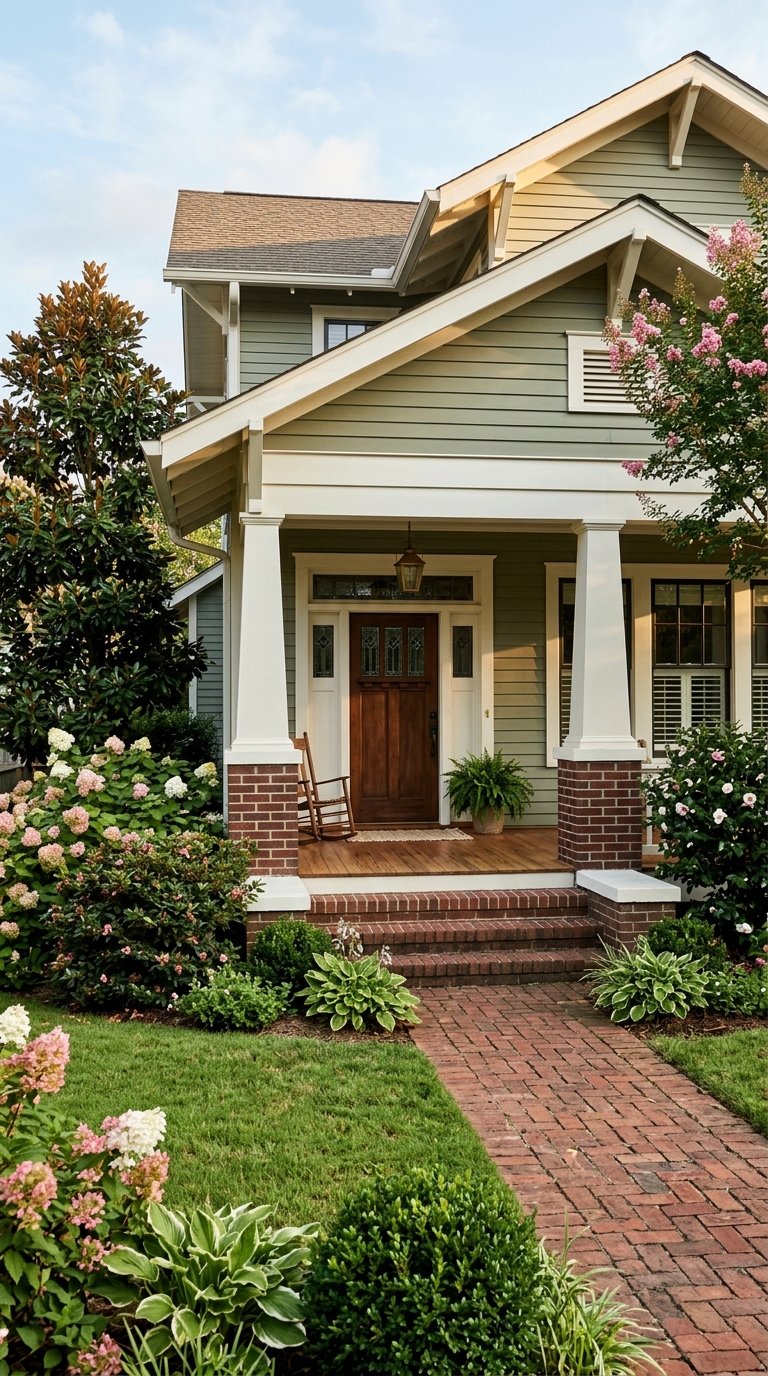
Historic Home Charm In Downtown Columbia
June 25, 2026
June 25, 2026
If you love homes with real character, Downtown Columbia offers something many buyers are searching for: history you can see, walkable daily convenience, and streets that still feel connected to the city’s story. You may be drawn to original trim, deep porches, or the charm of living near Courthouse Square, but it also helps to know what makes this area distinct and what older-home ownership can involve. This guide will help you understand the appeal of historic homes in Columbia, Mississippi, and what to look for before you buy. Let’s dive in.
Columbia is one of Mississippi’s older cities, incorporated in 1819, and it briefly served as the state’s temporary capital from 1821 to 1822. Today, it remains the county seat of Marion County, and that long history still shapes the feel of the downtown area.
The historic core centers on Courthouse Square and Main Street. According to district records, this area developed in layers, especially during and after railroad-driven growth that began in 1899. That gives Downtown Columbia a look that feels lived-in and authentic, not staged or locked into one single period.
If you are exploring historic home charm in Columbia, it helps to separate the downtown commercial center from the nearby residential areas. The National Register district in downtown is primarily commercial, with public buildings, a manufacturing building, and warehouses mixed into the historic fabric.
For the strongest historic-home setting, look to the residential streets just outside the commercial core. The Broad Street–Church Street district reflects residential development from about 1885 through 1958, while the Columbia North Residential district adds a larger mostly residential area north of downtown.
Around Courthouse Square, Main Street offers the strongest visual sense of Columbia’s historic downtown identity. Nearby streets like Broad Street, Church Street, and parts of the residential area north of downtown help extend that story into older-home living.
That matters if you want both atmosphere and function. You are not just buying a house in isolation. You are buying into a setting shaped by civic buildings, long-standing businesses, and neighborhoods that developed alongside the city center.
One of the most appealing things about Columbia is its architectural variety. Instead of one uniform style, you will notice buildings and homes that reflect different eras of local growth and changing design tastes.
On Main Street, records identify Neoclassical, Italianate, Romanesque, Art Deco, Colonial Revival, and Neoclassical Revival facades. That mix gives downtown a layered appearance and helps explain why the area feels visually rich from one block to the next.
In the nearby residential districts, you can see that same variety carry into the housing stock. Columbia includes examples of Queen Anne, Colonial Revival, Craftsman, Neoclassical Revival, and Tudor Revival design.
A notable local example is the Lampton-Thompson-Bourne House at 423 Church Street, built in 1907 to 1908. It is described by the Mississippi Department of Archives and History as a well-preserved transitional Queen Anne and Colonial Revival house with Free Classical styling, which captures the overlap of design eras that makes Columbia so interesting.
Another example is the Superintendent’s House, built in 1918, which reflects Craftsman design. Together, homes like these show that historic charm in Columbia is not limited to one look. You may find decorative detailing, balanced facades, varied rooflines, or sturdy early-20th-century craftsmanship depending on the property and block.
Charm matters, but so does how a place works for everyday living. One of the practical benefits of being near Downtown Columbia is having key destinations close together in a compact area.
Courthouse Square is the visual anchor of downtown. The Marion County Courthouse, built in 1905, is a stone-veneered brick Classical Revival building with a Baroque-style dome, and nearby civic uses include the Marion County Jail, City Hall on Second Street, the police department, and the Columbia-Marion County Public Library on Broad Street.
Current local listings help show the day-to-day mix around downtown. Spots include Frosty’s Sweets & Eats on Main Street, Hill Hardware, Uptown Soulfood Diner on Church Street, Ann’s Embroidery & Sublimation, the Marion Theater, and the Marion County Historical Society.
The city also promotes recurring Main Street events like Cruise In on Main Street. That supports the idea that downtown is still an active gathering place, not just a historic backdrop for photos.
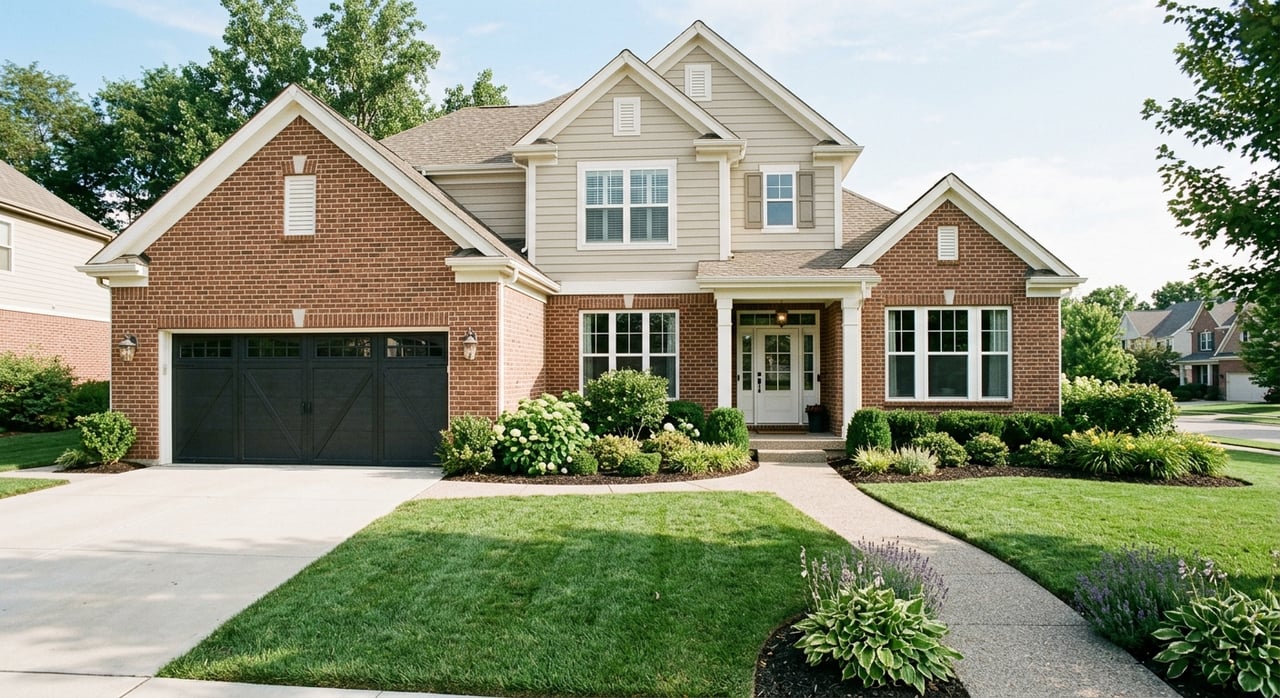
Historic homes can offer memorable details that newer construction often does not. You may find original woodwork, older layout patterns, mature surroundings, and architecture that stands out from one property to the next.
At the same time, older homes usually require more planning. The right approach is to appreciate the character while being realistic about maintenance, updates, and inspection priorities.
Before you focus on cosmetic changes, pay attention to the basics:
These steps can help you make a more informed decision before you buy and before you begin upgrades. In a market like Columbia, the goal is not to choose between charm and practicality. It is to plan for both.
Many buyers are willing to take on an older home because the details are hard to replicate. Original scale, craftsmanship, and neighborhood context can create a sense of place that feels different from a more recently built property.
Still, comfort and cost matter. If you are considering a historic or downtown-adjacent home, think about which features you want to preserve and which systems or efficiency improvements may need attention first.
Start with function before finishes. Prioritize evaluation of paint condition, insulation needs, moisture concerns, and any major materials that could affect health or renovation scope.
After that, you can make better decisions about cosmetic updates. This often leads to a smoother ownership experience and helps you protect the character that drew you to the property in the first place.
What makes Downtown Columbia special is not just one beautiful house or one attractive block. It is the combination of civic history, layered architecture, nearby residential districts, and an active downtown center that still serves everyday needs.
For buyers who want a home with personality, Columbia offers more than surface-level charm. It offers a setting where late-19th-century growth, early-20th-century confidence, and later neighborhood expansion all remain visible in the built environment.
If you are thinking about buying or selling in Columbia, local guidance matters. The right strategy can help you evaluate older homes with confidence, market a character-rich property effectively, or understand how historic appeal fits into today’s buyer expectations. When you are ready to take the next step, AM EQUITY REALTY is here to help.
Our mission is to provide an essential service to real estate clients while maintaining business integrity and public trust. The ultimate goal is to use out moral compass of faith while navigating every transaction!